
Blog: Make Change Fun And Easy
Quantum Human Design Explained: Discovering Who You Really Are. With Leila Jones & Samia Bano
Quantum Human Design Explained:
Discovering Who You Really Are.
With Leila Jones & Samia Bano
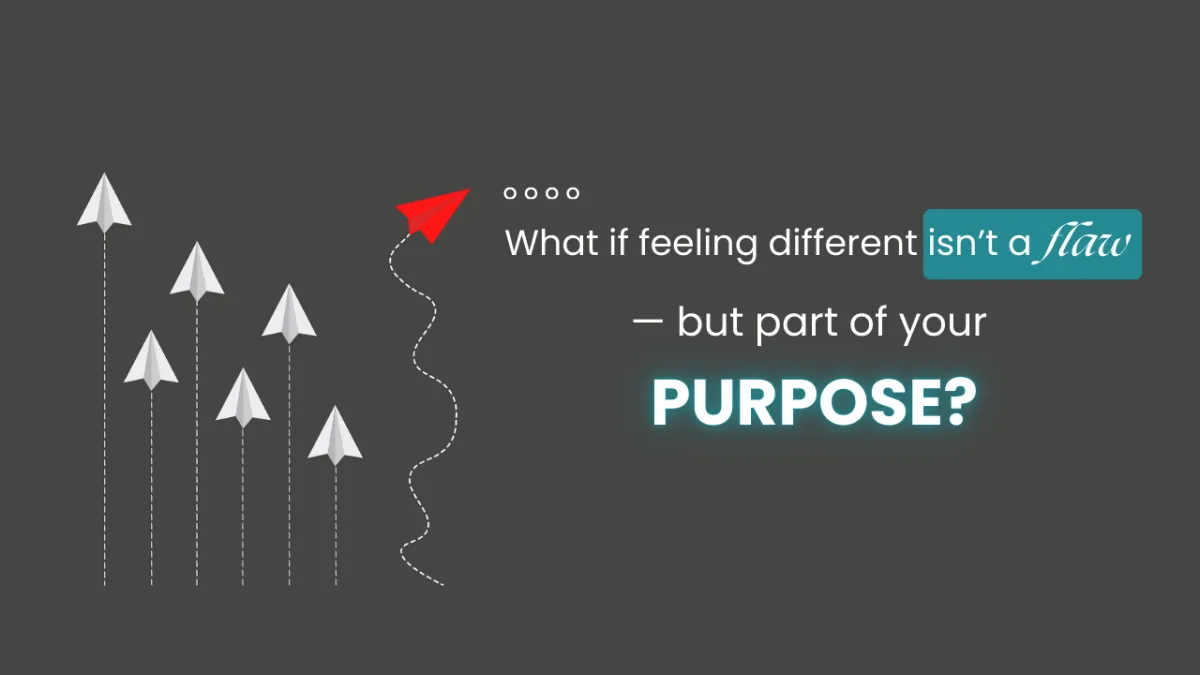
Feel like you don't fit in -- in your family, your community, or even your own life?
Want to know how the feeling of "not belonging" can become your superpower?
Listen now to this interview with Leila Jones!
Leila Jones is a certified #Quantum #HumanDesign™ Specialist, seeker-leader #coach, and founder of VelaMira, a #coaching and #consulting firm for teams and individuals craving alignment, #emotionalintelligence, and clarity in a noisy world. Her memoir, “Unpacking My Boxes: A Projector’s Journey Home” (July 15, 2025), is part origin story, part call to action. It speaks to anyone who’s felt out of step with their environment — especially those trying to survive in roles, workplaces, and relationships that don’t honor who they really are. Blending personal storytelling with the self-discovery framework of Quantum Human Design, her book is already being hailed as the first of its kind.
Learn more and connect with Leila now at: velamira.com
To Book your Free HAPPINESS 101 EXPLORATION CALL with Samia, click: https://my.timetrade.com/book/JX9XJ
#QuantumHumanDesign #PersonalGrowth #SelfDiscovery #SpiritualGrowth #HealingJourney #TraumaHealing #LettingGo #Surrender #MindsetShift #ParentingWisdom #EmotionalIntelligence #Belonging #IdentityJourney #SelfAlignment #EnergyHealing #IntrovertLife #ConsciousParenting #SpiritualAwakening #WomenAuthors
Here's the audio version of this episode:
Transcript generated automatically
SAMIA: Hello, Salaam, Shalom, Namaste, Sat Sri Akal, Aloha, Holah, Ciao, Bonjour, Buna, Privet, Mabuhay, and Dzień Dobry… I hope I didn't miss anything that I usually say. But in any case, I'm just so happy to be with you all. I'm extra happy here today because we have a very cool guest with us, and that is Leila Jones. Welcome, Leila.
LEILA: Thank you, Samia. It's wonderful. I'm glad to be here.
SAMIA: Yes, I'm so happy to have you. Leila, please tell us more about who you are and what you do.
LEILA: That's kind of why I'm here, to talk about all the different places that I've lived and how it has shaped who I have become. So I am releasing a book called Unpacking My Boxes, A Projector's Journey Home, and it'll be out September 25th. So I decided to write that because I realized after moving so many different times as a child, it was 10 times across three states, that I really didn't know who I was and I didn't really have a true home, both in the physical sense of that, but also within myself and emotionally. And so I started noticing I was making decisions that really weren't my own, you know, in education, career, who I was dating, who I was friends with, all of those things. And it became really challenging for me to figure out how to show up because I was in an environment as a child where many of the people in my family just didn't understand me. I was an introvert in a family of mostly extroverts. And also the projector part, I didn't know about as a child, but it became really important as an adult that that's my human design type. And that helped me to realize how different I was from most of the rest of the world. Projectors make up about 20% of the population. And so I just kind of see the world differently. I'm an introvert as well. And so I can take in people's energies and try and figure out the best things to do in a certain situation. And I would do that even as a child, which was kind of strange, I'm sure, for some family members. So I tried to figure out who I was and what I wanted to do with my life. And so my memoir goes through that. And me being a mom, business owner, wife, all of those things and getting to where I am now so that I'm feeling more comfortable and kind of more prepared for other challenges that come my way.
SAMIA: Thank you so much for sharing that aspect of your journey. And I think in my introduction, I forgot to tell folks that you're a certified Quantum Human Design Specialist. And of course, you are an author as you mentioned. Can you just in case for our audience members and may not be familiar, tell us a little bit more about what is Quantum Human Design?
LEILA: Yeah, yeah, definitely. So Quantum Human Design is based on actually the human design system, which is a combination of like astrology and the I Ching, the Hindu Chakra system. So a lot of ancient wisdom in there. And basically, you use your birth date, birth time and location, and it creates this personalized chart for you. So one of the main parts of that, which when people see their charts, like even just this first little bit is like, oh my gosh, now I understand myself so much more, is that it breaks you up into one of five types. And like I said, mine is a projector. And so just seeing that and kind of understanding how your energy works in the world, how you show up, how you interact with other people, how you make decisions, all of those things can come into play as you're looking at your type. And so quantum human design is a system that is kind of overlaid on top of the traditional human design system. And it helps you to use higher vibration language. So some of the terms for things that are in traditional human design have changed a little bit. And the idea is to help you see the ways that your chart isn't limiting you, but it's actually allowing you to move forward and make changes in life that are more in alignment with who you are.
SAMIA: Yeah, I really like that. One, of course, I can see the appeal and the overlaying of the quantum layer. Because for so many of us, we're not really familiar with the range and paradigms of how things are understood and explained. And if you're not familiar with those paradigms, it can sound really like, oh, what's the blue stuff for? You know, it sounds like it just doesn't make sense. And I have been through that. As an Indian, you know, we have a very, very rich culture and history. You can trace it easily back even in the context of written history, to 5,000 years and even beyond that in terms of our mythologies and so forth. In the ancient scriptures that are still to this day, you know, they're alive and they're people who believe in them and practice them, but, you know, in modern India, most of the people have lost touch with a lot of those roots and we have become so, like, especially, you know, in the upper classes and even in the middle classes, they're trying very hard to move up into the upper classes, because the focus, if you can afford it, you want a Western education, you want an English education, because that's sort of like part of how you move up the class ladder. And with a Western English education, you don't learn about the ancient wisdom stuff, you know? And so a lot of people are sort of losing touch and access. That's just one of the reasons why. But like, certainly that was what, part of what was happening with my family. And I mean, there were always like things that we knew, that, you know, are taught in the culture, but at a very surface level. And so a lot of it, because we didn't understand the deeper meaning and using behind it, we just ignored it. And other times when someone tried to explain it to us in the context of these ancient systems, we were like, oh, that just sounds like rubbish. There's no science. What's the scientific evidence? And that, you know.
LEILA: Right, right. Oh, that's really interesting. Thank you for sharing that because I think about that, too, in the United States and American culture with our fairy tales, I think it's kind of a similar thing where it's like, you know, because I have two girls and so I can remember reading all kinds of things with them. And I think it's kind of similar where it's like, you know, when you're an adult, you kind of start thinking, oh, that stuff's just for kids. But you know, as I've reread them as an adult, I'm like, there's actually a lot of wisdom in these where you can kind of see those archetypes showing up in yourself and other people. And it's like, okay, you know, I'm starting to see those patterns or, you know, maybe what the lessons are in those. And I think it's really important to stay in touch with that. And that's just kind of getting back to that childlike side of things. You know, I think it's fun to look at life like that, which it's hard when you're in the middle of, you know, a big challenge. But one of the things that's been great in writing this memoir is I've been able to take stock of my life in a different way and see that, you know, it really feels like a divine plan. Like, you know, yes, I went through this challenge, but if I hadn't done that, then I wouldn't have met this person or I wouldn't have, you know, gone to this event or, you know, whatever it was. And it starts to connect the dots in kind of a similar way, like those kind of mythological stories like you were talking about or the fairy tales.
SAMIA: Yeah, you know, it's like really such a profound aspect of, I think, our lives when we're able to look back at what we have experienced and be a new perspective, give a new meaning. Because like for me, that has been a huge aspect of the healing process and my own journey of, you know, transformation. And definitely like when you can have some kind of framework to help you in that process, that's really, really helpful. And so I imagine like coming back to the whole idea of human design, quantum human design, and how that helped you sort of get a better understanding of who you are, how you're different from a lot of other people.
LEILA: Right. Right. Yeah. And it is multi-layered. And I think that's the part that I really like because you can dip into it and just learn about the basic traits of your type. And even that can be really helpful. And then you can keep going and look at what's called the strategy, which is kind of how you navigate life, how different opportunities come to you. And then the authority is another piece, which is like your decision-making piece. And it's different for everyone. And so even just tapping into those three, I've seen with people that I've worked with, that it makes a huge difference for them to see, is there a tracing back, like you said, looking back at their lives?
SAMIA: Yeah.
LEILA: Oh, that's when that situation worked out because I was actually following my chart without knowing that I was doing that. Or here's where I ran into a dead end on something because I was trying to act like someone else or show up in a different way. So, you know, and it's, I think that's a really common thing, like, you know, outside of just the human design, but just when you're raised a certain way and it's easy to think that you have to do things just like everybody else in your family. Of course, there's certain values that are passed down. That makes sense. But if it's more like personality type or, you know, the way you interact with the world, everybody's different. And, you know, I see that with my own girls. It's been huge lessons for me because they are different types for me. They're manifesting generators. And so they are the ones that have, like, this boundless energy. They can do all these different projects at once. And, you know, here I am, kind of like, okay, mama needs to rest for a little bit, kind of the projector side of things, and take things in before I, you know, jump into some big action. And so, you know, seeing that reflected back in my life has been really helpful because, you know, I have to kind of alter my parenting. And even though they are the same type, they're not exactly the same either. So, you know, I keep digging in, and I've taught them a lot about their human design, which I think has been helpful too. And they can see, oh, you know, here's where we're the same, here's where we're different. And so it's kind of fun to just play with that and see those things as strengths and not as, you know, oh, you're different from this person and you need to change because that's really not how it works.
SAMIA: Yeah, that's such an important point and you sort of like start to talk about the career also in terms of not seeing your design as a limitation, but rather just as a sort of a guide to how you can do things in the best space for you. And I was actually also even thinking about how I've done a lot of different kinds of assessments and personality tests and things. And I've definitely noticed like in my personal case, that I've had some major shifts over time in terms of the results that I get. Like even to the point that, you know, the the type that I get characterized as, I've had major shifts in that. And a lot of it had to do with, well, some of it had to do with like when I experienced a huge trauma in my life as a child, I really sort of closed up and and then I tried to like the way that I became, I don't think that was the reflection of the real me as it were, you know, and so I was acting in ways that were not true to my design. But also I think part of it has been that as I've learned and I've been healing and so forth, I've been learning like different ways of doing things and been feeling very free to be like, oh, you know, I want to try out these different ways. I don't want to limit myself to just one way that I think is the right way or that I've been exposed. So I want to try different ways. And so I've tried different ways. I mean, I end up, you know, sort of picking and choosing the different strategies. And so in the context of a lot of these, like, assessments and personality types, I find that it's not a case that you're just one thing and nothing else. It's more that you have a dominant character. And then, you know, most of the time, you sort of tend to react in this way, think in this way, but you can definitely find bits and pieces of yourself in the other types as well. And I was like, oh, that's an interesting way to think.
LEILA: Yeah. No, that's really cool, Samia, because I found the same thing. Like, I remember doing, I think it was Myers-Briggs, like, for the first time in my 20s, and I was a different type. And then, you know, I took it later in my 40s. I think I'm an INFJ now. I can't remember what it was before. But, yeah, and so you brought up two really big points with that, that you're answering different questions about your personality. And so it can be like in the moment, what was going on at the time when you took the test and, you know, something is top of mind. And so you answered it certainly. Or is it, you know, the way that I am typically in the workplace or at home or, you know, with friends or whatever. So it might be a little bit different. Or like you said, dominant traits will show up and you start to see those trends. So it's really interesting to see it that way and to kind of contrast that with human design and quantum human design. It's, you know, you kind of can't cheat on the test. You know, it's your birthday, your birthplace in the time. And so, you know, with that, for some people, they like that because it's like, okay, here it is. But for others, they'll feel like, well, that limits them and they can't really change. But what I found with looking at my chart and looking at different elements of it, it also taps into what you were saying about the stages of your life because the quantum human design part has us looking at some of those, what are called astrological developmental cycles. So as you're turning 30 and 40 and 50 and so on. And so there's parts of your chart that you can focus in on. And it does exactly what you were saying, like whether it was just a certain time frame, you know, and age, chronological age that you were going through. And then something shifts in your energy. You can actually see where that is in your chart and what those energies were. Or if it's, like you said, some kind of traumatic experience, you can dig even deeper into the other layers of the chart and see, you know, what sort of changes were coming up at that time in my life. And how did I navigate through that change? Did I do that successfully? Did I run into something? And then I started, you know, acting like a different type or whatever it might be.
SAMIA: Yeah.
LEILA: So all of those pieces are valid and can come up. And that's what I think is great about, you know, this system and others, that you can pull them all together and, like you said, kind of play and experiment and see, you know, what do I want to try over here? OK, well, that didn't work. OK, well, that worked really well. And see, you know, what feels right to you as you're going through life. So it's really cool.
SAMIA: Yeah, you know, this idea of sort of having a system to understand yourself, that sort of takes into account how you're growing, that's really appealing to me because, you know, especially like if you think about this from a spiritual perspective, one of our four missions as it were in life is to grow. I mean, we have all got different lessons to learn. And as you learn each lesson, you grow. And like for me, again, this is like my experience, but I think other people can relate to this as well. That, you know, once you really learn a lesson, sort of, it's like not a challenge anymore because you've learned how to deal with it, right? So even if those situations come to your life, you're able to take them in stride. You deal with the challenge because you've figured out how to deal with it and you move on to like, really needing to focus on a different challenge, a different lesson as it were, you know? And so in some ways, the old challenges can even seem to like just go away from your life. And so, it's, and you know, so it's like to have that and like so much of that just, you know, is about like where you are at in your process of growth and stuff also, because like as a child, you have certain limitations on your capacity, you know, and as you're growing, you know, you hopefully are building more capacity and so forth. So there's just that aspect of the learning and growth. But yeah, it's, yeah, no wonder that, you know, that, you know, like if you're just taking a regular personality test, that it should change, you know, I don't think anyone should really be surprised because most of these personality tests and things, they don't take that kind of growth into account. They don't, they don't, they just don't.
LEILA: Right. Yeah, that's really true. And I think that as you look at that, you know, you tapped into it perfectly that, you know, we're all here to grow, to evolve, to transform. And, you know, unfortunately, there are some people that don't believe that. And they want to, you know, stay the same. And they're actually fearful about that, you know, when something comes up to them that that is a challenge and that's, you know, maybe from the outside in, it seems obvious to someone else that it's saying, OK, you know, it's time for you to move on, whether it's, you know, from a job, a relationship, move out of state, you know, whatever it might be. But they resist that. And what I've found in my own life, and a lot of the stories I tell in the memoir, when you resist it, it comes back harder. The universe wants that change. And it will also come back from, like, different directions. So if it's a change that, you know, the universe is wanting you to make in, let's say, a personal relationship, then similar energies will show up at work or with your kids or with your friends or your finances or whatever, where it's just so much pressure. And you're like, I don't know how to get out of this. So, you know, the only option is to start making those changes. And what I always tell people is that, you know, it's not about going from A to Z in one day because, you know, that's, that's, I don't think, healthy for anybody, any type to do. And it's about just saying yes to those incremental things that come up. And what I've seen in my life, it's, you know, I get a lot of signs from just different things that show up in my space or dreams, those sorts of things. And if I just say yes to, you know, that one thing, then the next thing is presented to me and then the next thing. And so there's, you know, never a time that I have the whole story figured out when I start making the change. And that, I think, is what's scary. And, you know, for me, that my profession has been project management. For most of my adult life. That was scary for me to just let go and say, okay, you know, I'm not the one managing this project. So it's time to just say, okay, I'm gonna say yes to this and just see where it goes. And it's exciting but scary at the same time.
SAMIA: Yes. You know, I can relate to that. I can really relate to that because, like, in the context of me dealing with my trauma, I had developed a lot of power and control issues. Like, I needed to feel in control of things and not feel powerless. I mean, that's really why I wanted to be in control of things because I didn't want to feel powerless. I didn't want to feel unsafe and vulnerable. And so, for me, the way to avoid all of that was I need to feel in control. I need to be in control of whatever is going on. And that meant, like, if I couldn't see where something was heading, I didn't want to even deal with it because then you're out of control. And so, I just restricted myself to very limited things in terms of what I was even willing to do or try in my life because I needed to be able to control things. I needed to be able to reliably know what was going to happen as a result of what I was going to do and so forth. And it's just, I mean, obviously, that kind of constraint, to live such a constrained life is obviously a very, in so many ways, you create unnecessary challenges for yourself. It's not a happy state of mind either because you're constantly anxious and you're really fighting a losing battle, trying to control so much. And so there's, well, I mean, at some point, I just got so tired of that. And I basically just had to give up, like because I was just so tired, but also because I was so stuck, you know. It's like, try to help yourself. You do the very best you can, but with all of these constraints, especially, you know, like the constraint of not being willing to ask other people for help because you can't control other people and you can't control their reactions. And so, you know, like how much can you do on your own and not too much, actually, you know? And so for me, that was actually one of the biggest problems was that I was also too scared to ask for help because of my control and power and control issues. So at some point, I just had to just give up and be like, ah, help, I need help.
LEILA: Right, right. No, that's true. And yeah, and I sympathize because it's pretty much the same. And I run into that too. And when I start feeling that energy now, I'm like, okay, I remember what happened the last time. And then I have to kind of let go. And when I was married and we were running a business together, had two kids, all that, everything on paper looked perfect. But I was just stressed out. And so it would turn into migraines where I would just be in bed for half a day or a day and just like couldn't function. And so when that happened, it was usually a result of me trying to push too hard, making something happen. And what I found is the body will stop you when your mind is trying to do something you probably shouldn't be doing. And that's the way it would show up. And it will keep going. Sometimes it's, you know, more extreme illness or something like that. And that's just, it's so scary when that happens. And then you really are out of control because, you know, your body isn't functioning the way that you would expect it to. And so that's when you have to just like stop. You're forced to stop and try and figure out something or else that pattern will keep repeating. And, you know, I really, you know, like I said, like, I thankfully have figured a lot of that out. But anytime I feel that kind of controlling energy coming up even now, I'm like, okay, I can feel that. And it reminds me of what it felt like before. So then I start to take that step back before it goes too far. But you have to experience that to know, you know, what it feels like in order to make that change. After.
SAMIA: Yes. And like, I know from me, undoubtedly, it's been one of the big lessons my soul and spirit are here to learn. It's this whole power and control stuff, you know? And so it's been showing up in different ways, like, you know, and in different contexts. So it's like, oh, I figured it out in this one context, but I still have a tendency to try and control things or have trust issues in this context. And it's like, now that I realize that, oh, power and control is like one of the key lessons I'm learning about as a spirit in this life, then, you know, it is really helpful because then I'm like, okay, what am I holding on to here? What am I trying to control here? You know, it just gives you a different question to ask. And it's, in this case, I find it a very helpful question to ask for me because the moment that I ask that question, I'm like, oh, this is what I'm trying to hold on to. This is what I'm trying to control. This is what I'm having, you know, issues with in terms of letting go. And so then it's like, okay, now I know something about how to let go, about how to surrender. So let me process that. And then things become more fun and easy.
LEILA: Yeah. Yeah. No, that's really good to figure that out because, yeah, like mine just growing up and even as a young adult, I always felt like I didn't belong wherever I was. You know, I grew up in these multicultural environments and I liked different kinds of music and spoke different slaying and was into all these different cultural things. And I'd come home and didn't really feel like I fit in with my family a lot of the time. And so I kept carrying that with me everywhere I would go. It was like, nope, I don't belong here. I don't belong there. But I've started having to turn that around and say, well, maybe it's okay. I don't belong in this place. Maybe I need to be over here and, you know, start looking at that in a different way and not seeing it as a negative. But when I was feeling that, that kind of unwanted energy, that would come up all the time. And so then I just didn't know what to do. And then you start to self-sabotage, too, because you're kind of coming into the room with that energy and then everybody's sending that back to you. So, then you feel like, oh, well, that's reinforced when it's really just how you're showing up in the place. And it's not truly you. And like you were saying with having to grow through that and figure out what's really at the source of it and what's happening. And so then you can say, okay, yes, that was a lesson or I can use what I learned from the past to apply it in this new environment or new situation. And then that's really exciting. I think that's kind of going through all this.
SAMIA: Yeah. You know, the example that you shared, feeling that sense of not belonging, not feeling wanted because you were living in different kinds of environments. It made me think about the fact that, you know, like just going back to the idea that we're all here to learn certain lessons in our lives and it's different for each of us. And so like for me, I've also moved around in very diverse multicultural environments. America is the fourth country I'm living in. And I've also always been fairly different from most people around me. But you know, in my case, it never bothered me. It just never was a big issue. And so it's like, and I mean, I just had even from like, I think the very first time we made a move, that was when we moved from India to the Middle East. That move was a little bit hard for me because there was just a lot that was going on. It was the first time I was experiencing a big change. But once I sort of adapted to that move, then every other time that we moved and I experienced something different, I experienced being different, I just, it was like easy for me to, you know, just adapt and sort of go with the flow in that context. I'm like, you know, that was just probably not one of the lessons my spirit was here to learn, but it was something that I had already learned. My spirit already knew how to deal with that. And so, you know, that was part of my experience, but it wasn't part of the challenge. But the experience, it brought the experiences that I had in that context of moving around, being different, and so forth, it did bring up the challenges of power and control. You know, like, I didn't feel challenged with feeling different, but I did feel challenged with issues of power and control, because when things change, and you're in a different environment, you're dealing with different people, different kinds of people, then you have to keep, and then you're focused and obsessed with controlling things. That is challenging.
LEILA: Yeah. Oh, you said that so beautifully, and I really like that, but you noticed that, okay, here's something that I experienced in my life, but it's actually a strength for me. You know, I'm able to be in a different place, and know that I'm different, and own that, and feel good about it. But then it's like, oh, okay, here's my lesson with the challenge, you know, with control. And I think that's really important, because that shows up, and I'd be curious to see if it shows up in your chart, and those two pieces, that's really cool. Because like for me, with the not feeling like I belong, that definitely shows up in my chart somewhere. And the other part though, which feels like opposites, which is kind of interesting, is that I'm here to focus on like the safety and security of others and building community or being in the right community and presenting that to them. So, of course, I have to overcome that challenge, not feeling like I belong, so that I can climb that right community. So, it's really interesting. And there's those kind of seemingly opposite things that will show up in someone's chart. And it's like, well, yeah, you get through this part, and then you can keep going and really flourish and really show up the way that you're meant to.
SAMIA: Yeah, I know. It makes total sense to me because one of the core lessons or ideas that I learned and that I keep going back to now, I keep reminding myself of, as you know, this idea of every challenge is just an opportunity. Every challenge is just an opportunity to learn something, to grow in the ways that we need to, you know? And so of course, it's like, so the other question that I love to ask myself now, like when I'm feeling challenged by something, it's like, if I can solve this challenge, what's the opportunity on the other side? You know? So it's like, yeah, when you, for example, are feeling the challenge of feeling like you don't belong or are unwanted, and you solve that, then you get to experience community and connection and love. And like when you are feeling the challenge of wanting to control something or feeling out of control, but on the other side of it, there is a feeling of freedom.
LEILA: Right.
SAMIA: You know, like this amazing relief and peace of surrendering, of letting go. And so there's always that, you know, it's always like this coin with two sides, kind of a thing going on, right? There's a problem on one side, but there's a solution or the opportunity on the other side.
LEILA: Right. Oh, that's really nice. Yeah. No, that's very true. And I like that I didn't have to steal that question for myself. As I'm meditating, that's really cool. Because, yeah, I think that it's sort of like when you think about someone who maybe doesn't have that same philosophy like we were talking about, about seeing those challenges as opportunities. And, you know, they instead might take that in and just think, oh, I, you know, that just hates me. I just have a horrible life. And, you know, I I'm not supposed to do this or whatever and just kind of give up and and then maybe let other people control their lives or, you know, try and just go through the motions, you know, status quo and not make any changes. And that becomes more stressful in the end.
You know, I've seen a lot of people that I've come across with, they've come across in a whole lifetime where they kind of had that philosophy. And then they become older and realize they have all these regrets in their life. You know, there are things that they gave up their control to other people or did things that they thought they should have done or, you know, society said, you know, you should do this this way because you're this kind of person or this skin color or, you know, whatever it is. And then you're just, you know, they're just struggling with life and really don't enjoy it. And so, you know, then I'm the kind of person I am, you know, I'm always trying to be positive and, you know, tell them things. And it's just going over their head, you know, it's just not their reality. So it's really hard to get through to someone that is like that. And, you know, I don't have answers for that, you know, as far as like if someone has that mindset, you know, it definitely takes a lot of work. And that's where, you know, I'm a big supporter of going to therapy and doing that kind of work and getting whole in that way, you know, first before you dive in, you know, I would never recommend, I would just, you know, look at your chart and you'll solve everything because there's a lot more going on that has to be dealt with before you can really start taking that next step to really try and transform from there.
SAMIA: Yeah, yeah. You know, you made me think about... It's a little bit like... I think it's sort of almost like a cultural mindset, but not like, you know, it's like when, you know, people... Like, there's certain… If there's a certain lesson that you're taught or teaching in the culture, but if you don't really get it, or you just take it at the surface level and you don't go deep enough, you can find yourself interpreting things in a way that becomes problematic. And I've seen that happen in the context of our Indian-Pakistani and Muslim culture, where it's sort of like, on the one hand, you know, we have very, very strong teachings about surrender, about letting go, because, you know, that idea is like Indian-Pakistani cultures are deeply religious cultures, even, you know, like to this day, with all the modern education and stuff that we have had, we're still very religious people, you know, and one of the key religious teachings is, you know, that, you know, you're, you're, you, that God is the one who's in charge of things, right? And so, like, you're supposed to practice surrender, you're supposed to sort of accept God's will and sort of find peace in that. But I think what happens is when people don't go deep enough in understanding that idea or concept is, and I used to be like this as well, when I have problems come in my life, I'd be like, oh, it's God's will that I have this problem in my life. I just have to accept that I have this problem and do the best I can to live with it. And I thought that's what surrendering meant, to, you know, like surrender to, to God's will by just accepting that I have to live with this problem.
LEILA: Okay, right, right.
SAMIA: And now I realize, no, that's not the point of it. But that's how I, you know, used to think about it. And like, like I said, it wasn't just me. I didn't come up with that idea myself. I saw that happening with so many other people around me, like almost to the point where it was like a cultural attitude.
LEILA: Right, right. Yeah, yeah. I think it's similar here, you know. I've definitely seen that, where it's just the... I liked what you said there about the surrender and kind of, kind of almost taking that to the extreme. You just surrender to whatever is happening to you and then almost take it personally, you know, like, like I'm supposed to go through this challenge because I've, I've been a bad person or, you know, whatever way someone wants to interpret it. And, you know, the other piece of that, too, that I've found is when you think about the challenges in your life, I also asked myself, did I bring this challenge into my life? Was it, you know, me pushing too hard with ego, thinking that I knew what I was doing and, you know, I was in control and, you know, I was going to go do this thing? And then the universe comes back with, well, no, it wasn't what you were supposed to do. And so then then you're presented with even more challenges. So it's like, you know, you have to look at what's showing up in your life and see, OK, is this something that's for my growth or is this something that I created that maybe I shouldn't have? And so then I have to figure out how to get out of that situation so that I can keep growing and just, you know, taking a minute and kind of asking those two questions, I think, are really important anytime a challenge does come your way.
SAMIA: Yeah, I mean, even in the context of having created something myself in terms of, you know, by resisting the lesson that I'm supposed to learn, I mean, that's still part of the process, right? In terms of the growth that we need to experience and how we learn the lesson. It's like sometimes there is a thing learning, so we create these extra layers of problems for us. But it's like, it's almost like we have to experience that deeper level of problem before we are willing to say, okay, fine, I'll make a change.
LEILA: Right, right, right, yeah, that's very true. Yeah, it is part of the whole process too. And like, if you don't know what it feels like to be, you know, down in the trenches and hopeless and don't know what to do, then yeah, it won't, you won't, I think, have that motivation or that energy to get out of it and, you know, just want to do something better. So, you know, on the flip side of it, if you're expecting life to be perfect all the time and, you know, maybe, you know, I think about that with my kids too and they tell me about some of their friends and, you know, where they've been kind of coddled and, you know, not exposed to too many challenges. Their parents try to, you know, work through everything for them. I think that stunts growth too for kids and, you know, they all have an unrealistic expectation of what life is about. And when that happens, then they, you know, if they do get out into the real world and then that's just scary for them because they're like, you know, I didn't know that that could happen or that, you know, this was going on or this was a problem. And then they don't even know how to function as adults.
SAMIA: Yeah.
LEILA: You know, that's part of the skill set, I think, to pass on. I mean, you want to protect your children, of course, but there is a point that, you know, as they grow, as they get older, they're supposed to be learning those skills, too, on how to start solving some of their problems, too.
SAMIA: Yes. You know, that is such an important lesson. You just made me think of my mom. She talks a lot about how, when she was growing up, she was so protected in some ways, that after she got married to my dad, and not only did she move out of her own family, but my dad, so my mom's Pakistani, and her whole side of the family was in Pakistan, married my dad, who is an Indian, and then moved to India to be with him. And so, I mean, obviously, it was a big change in many, many respects, but one of the things that she talks about a lot is that, one thing that made that move really difficult for her, is that when she was no longer in the protected environment of her family, she uses the word shocks. She said, I kept receiving one shock after another, and being like, what? People behave like this? People do these kinds of bad things? And for her, it was shocking, and she didn't know how to deal with all these things that she was now being exposed to in terms of like the problematic sides of human behavior and that kind of stuff. And it was very traumatizing for her to be exposed to these things and receive all these shocks and then try to figure out how to deal with it and do it in a context where her own family was, by and large, not available to her anymore. Because, you know, this was like back in the late 70s and 80s, like she got married in the late 70s. And so, you know, you didn't have internet and video calling and these kinds of things. Even like to make a phone call, it was expensive and not just something you could take for granted and just get on the phone and have long talks. No, it was like even if you were lucky enough to have a phone, you know, it was like to the point, short, especially international calls. A long distance, right. Really expensive, you know? And so she had lost like her support system and now it was just like really hard for her. And so, yeah, what you were saying about teaching our kids, how to like really what it comes down to is like teaching them to solve their own problems, you know, like learn to think about problem solving and just, you know, developing the strength to be able to deal with life's challenges, you know? I mean, and I don't think you have to be unkind or unfeeling or be mean to teach those kinds of values or teach that kind of character strength. I think it can be done with kindness. It can be done with love. But it doesn't need to be done. It's like parents have such a strong instinct in some ways to just want to protect their kids and not let them face any trouble. But in some ways, you really, I guess, I'm not a parent. So this is what I keep telling my mom, because she still has a tendency to want to protect me so much. But I'm like, but mom, you know what happened with you.
LEILA: Right, right. Yeah, it is that mom instinct for sure. Yeah, no, it's true because I have a fifth grader, so she's going to be going into middle school next year, and then a senior in high school. So we're planning for college. So big shifts in emotional things and friend groups, and moving and all of that stuff coming up. So yeah, so it is really important that they start to learn how to navigate some of those things that are coming up. And yeah, you don't have to be mean about it, like you said, but just let them experience some things and have lots of conversations with them.
SAMIA: That's helpful. So I guess one last question. Last only because I am watching the time for us, and I know, my gosh, maybe I won't be able to help myself and ask you one more, but let's see. So what I'm trying to end with is, so if we agree that it is possible for us to teach ourselves and our kids, it's maybe easier to think about it in the context of how we teach our kids in a loving way, how to be strong, how to be resilient, how to face life challenges, how to make them aware of the kinds of challenges that they can or may have to face in their lives. How do you actually do it in a way that is loving and kind and not mean?
LEILA: Yeah, you know, one of the things that I do a lot is like, especially if it's, I'll just say, like a challenge with friends or something, where, you know, one friend was hanging out with someone else instead of her or that kind of thing. You know, I try to bring it back and ask them to imagine what that person's home life might be like. And, you know, maybe I'll say, well, maybe they don't have a parent there that's as attentive with them, or maybe they don't feel comfortable talking about themselves, or maybe they are in a situation where there's, you know, just a lot of chaos going on at home. And so, you know, maybe they're not really being heard. And so this is why they act out. And, you know, I'll try and impose those different situations so that, you know, to me, it's all about just having empathy and trying to understand that we've all grown up differently, as you and I have talked about, and, you know, thinking about how we've been taught to navigate life. And, you know, one of the key things is that, you know, everybody grew up in different ways. They have different home environments, cultures. There's just so much that goes into how a person shows up. And it happens from childhood up. I know I saw that with myself. I would show differently at school than I did at home. So, when you look at all of that and really try to see the whole person and beyond just this one situation that's coming up, or maybe it's, you know, a continual situation that comes up, then I think it becomes a little bit easier. You know, it doesn't excuse someone's behavior, but it at least helps you to understand where they might be coming from and why they're acting a certain way so that, you know, hopefully, you can, and if you still have to, you know, set boundaries around them and, you know, it's not healthy to be around them, then definitely still do that. But if there is an opportunity to, you know, have a different conversation with them, then that's something that you can do too.
SAMIA: Yeah, thank you for sharing that. You know, what you just also made me think back to our, earlier, when you mentioned fairy tales, I was like, huh, you know, like when we're trying to teach our kids, I mean, because some of these fairy tales, actually, if not all of them, if you think about it, they have some really dark themes. I mean, especially like, the kinds of challenges, I immediately thought of one where, I can't remember the name of the story, but these kids go into the jungle, and there's a witch who eats little kids, you know?
LEILA: I think it's Hansel and Gretel, maybe?
SAMIA: Yeah, maybe, you know? I mean, these really dark ideas of like a child being eaten.
LEILA: Yes.
SAMIA: And it's a story for kids. And so like, maybe that's also part of how we try to help our kids realize or know that these dark, difficult things can happen or do happen in life. But like, maybe part of how we try to teach them to know that it happens, but also learn how to cope with it is through storytelling, you know?
LEILA: No, definitely. Yeah. Yeah. No, I think that helps to kind of take the personal energy out of it, you know, because sometimes people can get really triggered with that. And so if you come at it from a different angle, yeah, I like that idea, just tapping into the fairy tales and the mythology to help them see it from another perspective.
SAMIA: Yeah. And also, like this, like, to your point about the main things coming down to developing more empathy, you know, it's like if we, again, just dig these stories and we really reflect on them beyond just being entertained by them, you know, you begin to develop empathy for these different kinds of characters and really think about, you know, why they're doing what they're doing and so forth. I've especially been enjoying in the recent years, various fairy tales that are being reinvented in some ways.
Like recently, I mean, it's been many months now, but Wicked came out of the movie, which sort of shows like a very different perspective on the story of the Wicked Witch of the West. And turns out she really actually wasn't from Wicked.
LEILA: Yeah, I know, that's a perfect example.
SAMIA: And there's like all these other stories of this kind where they're showing a different perspective on these villainous characters and how they came to be villains. Or maybe they weren't really villain and just villainized. But it really sort of helps to build that empathy muscle that I've been really enjoying in these movies and stuff that have been coming out of this story.
LEILA: Oh, that's great. I like that. Yes.
SAMIA: Oh, gosh, Leila. I'm having so much fun talking to you and I don't want to stop, but I promised I would let you go.
LEILA: No, no, this is great, Samia. I appreciate it. It's been fun.
SAMIA: Do you have any last thoughts to share with us for right now?
LEILA: Oh, wow. I think just overall, as you do explore human design more and just kind of take it in baby steps, little pieces here and there, and take the nuggets that make sense at that time and apply it to your life and then just kind of see what happens from there and see it as a fun experiment and not as a chore.
SAMIA: Yes. Thank you for that, Leila. And for my last reminder, I will just remind all of our audience to please make sure you check the show notes because we will be dropping Leila's links in there so you can connect with her and continue to learn and grow and get the help and support you need whenever you're ready for it. So until we connect next time, I just wish you lots and lots of peace and joy.

Want to check out even more amazing episodes?
All of our episodes are archived on our vlog page :)





OUR PEACE OF MIND GUARANTEE
Because we’re committed to doing onto others what we would have them do onto us, all our programs come with a Peace of Mind Guarantee.
We know you’re going to love our programs. We’re so confident about the quality of our programs we’ll give you full access risk-free for 30 days. If you decide the course isn’t right for you, then you may request a full refund up to 30 days after your purchase.
Copyright © 2018 Academy Of Thriving